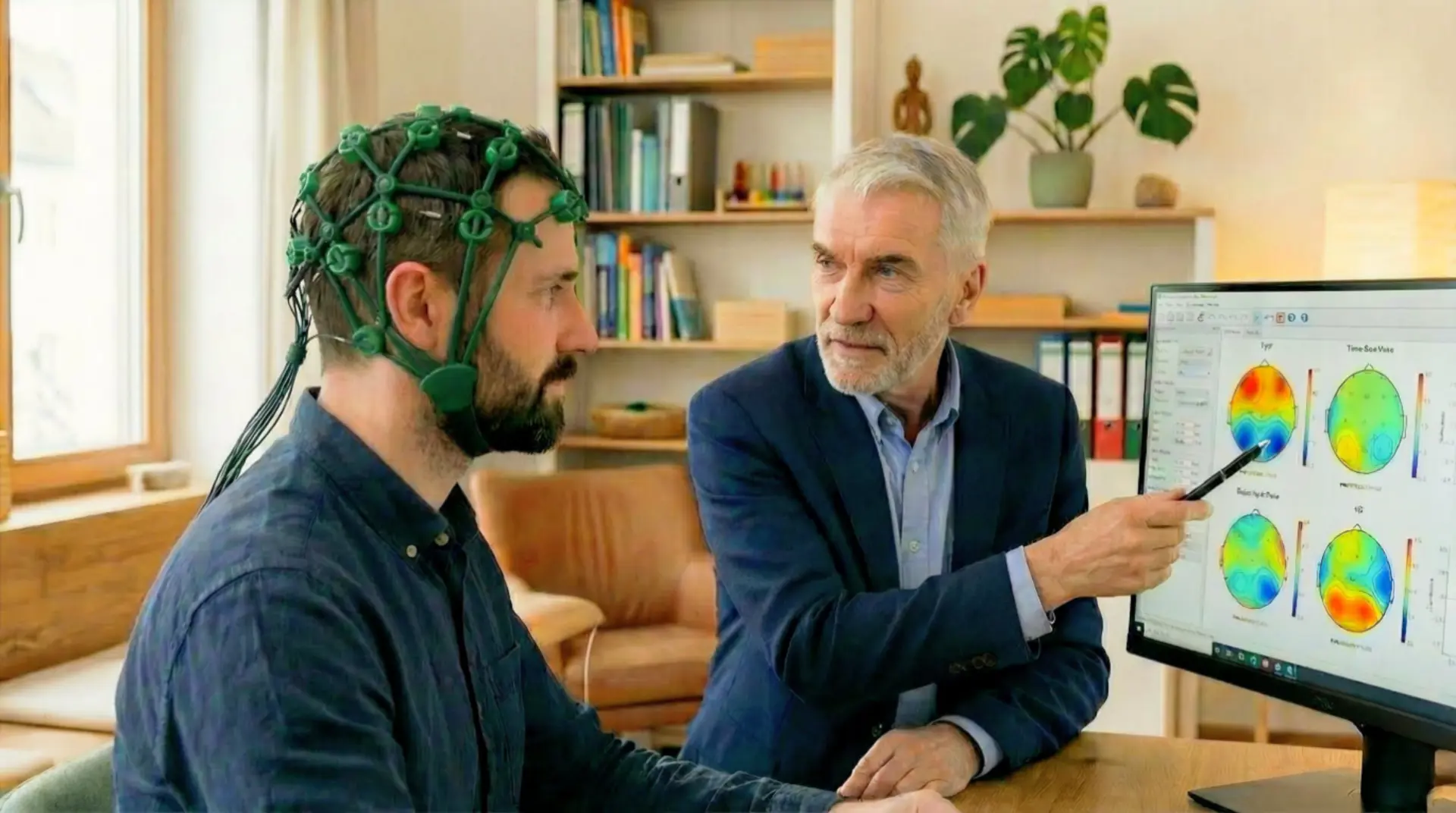
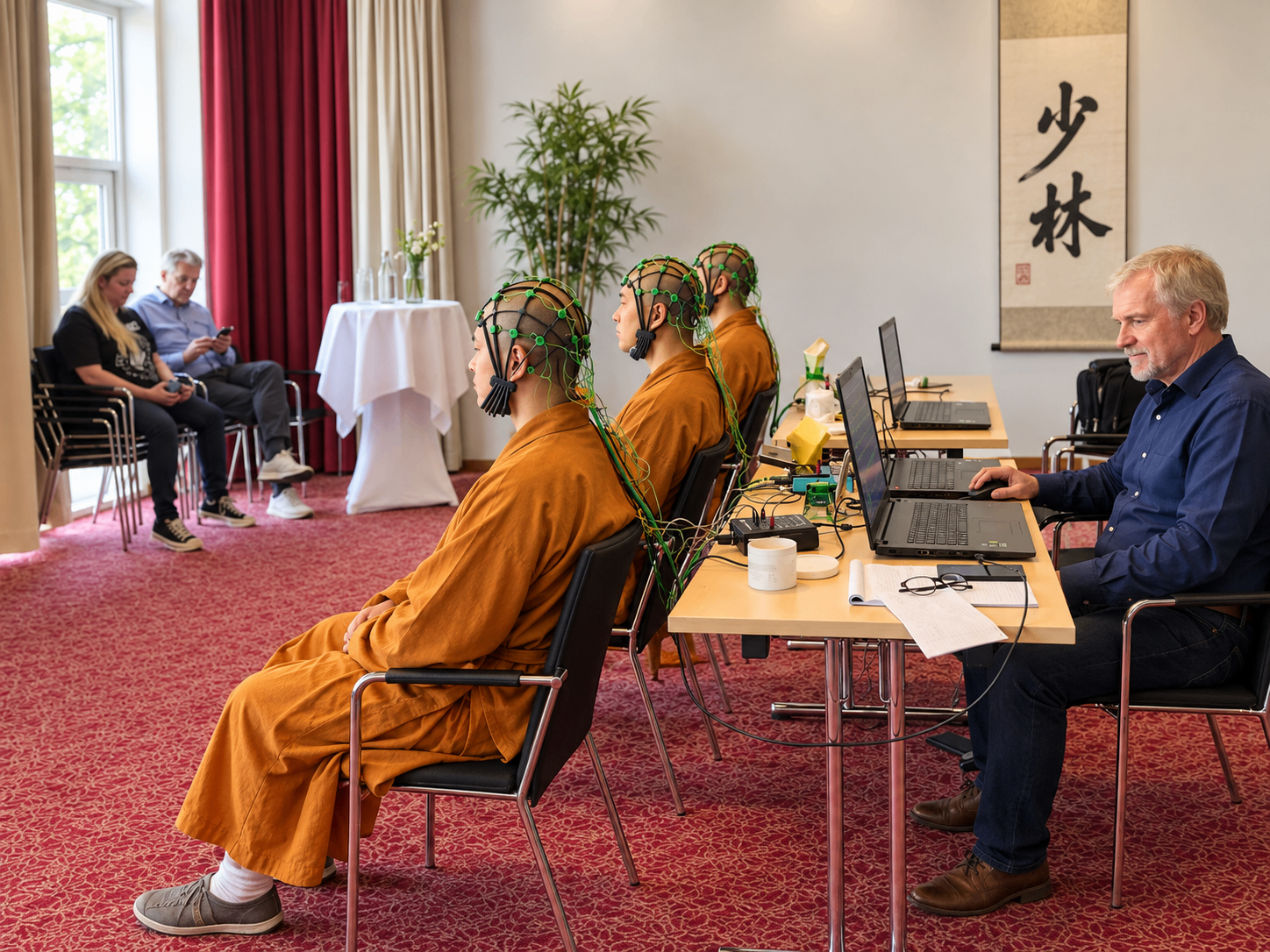
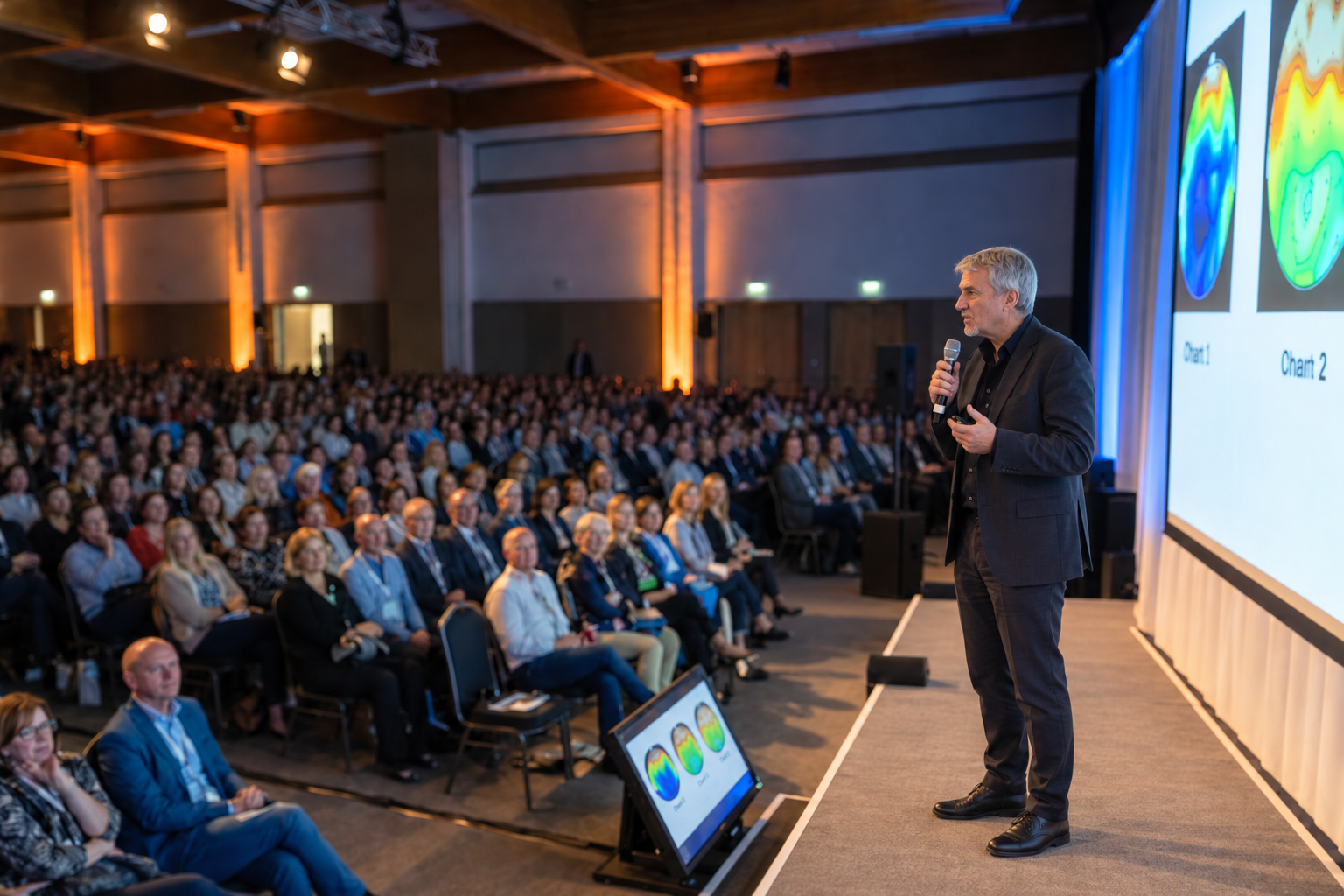
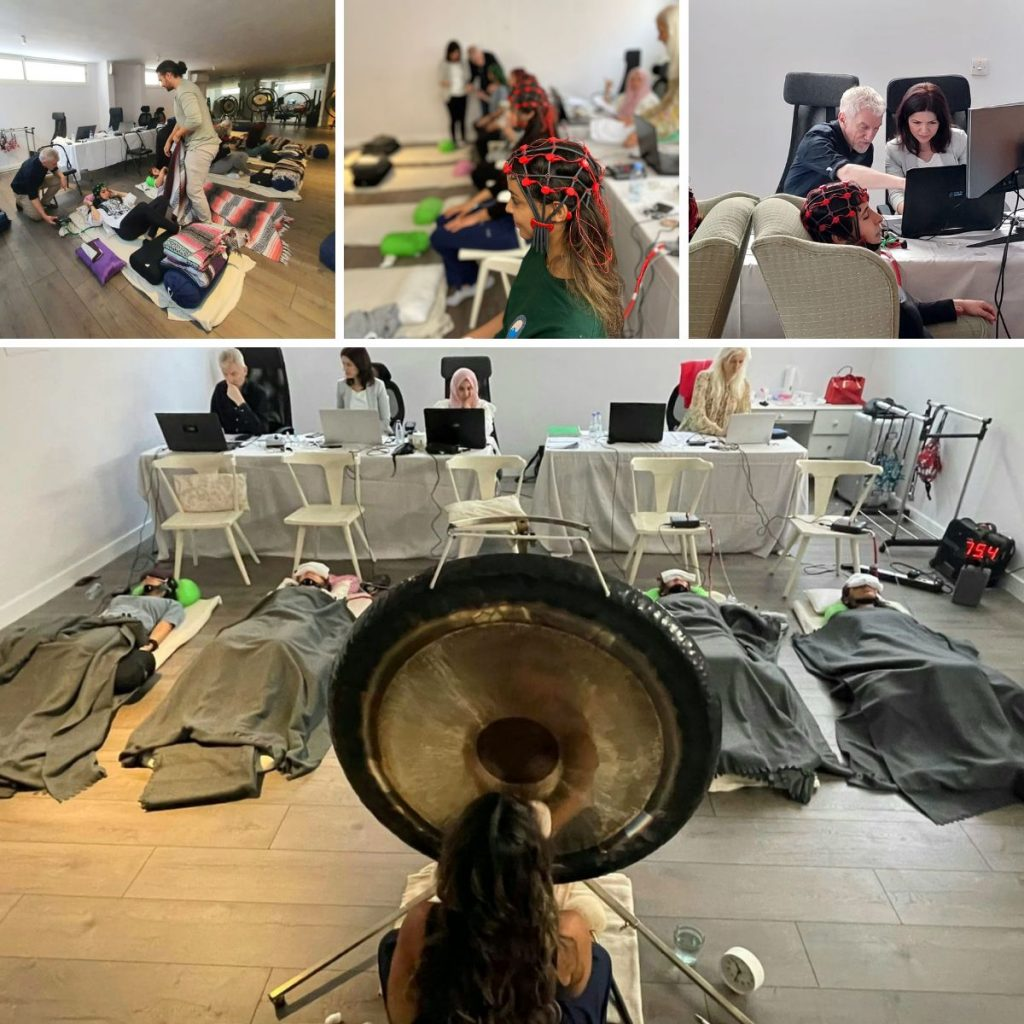
On a trip to the United States I read an article about neurofeedback in an American professional journal. The idea of measuring brain activity and enabling a learning process through feedback fascinated me immediately. I sensed that this approach could significantly broaden my work.
I wanted to understand better which neurophysiological processes were connected with my patients' difficulties. Neurofeedback opened up the possibility of including measurable aspects of brain activity alongside observable behaviour.
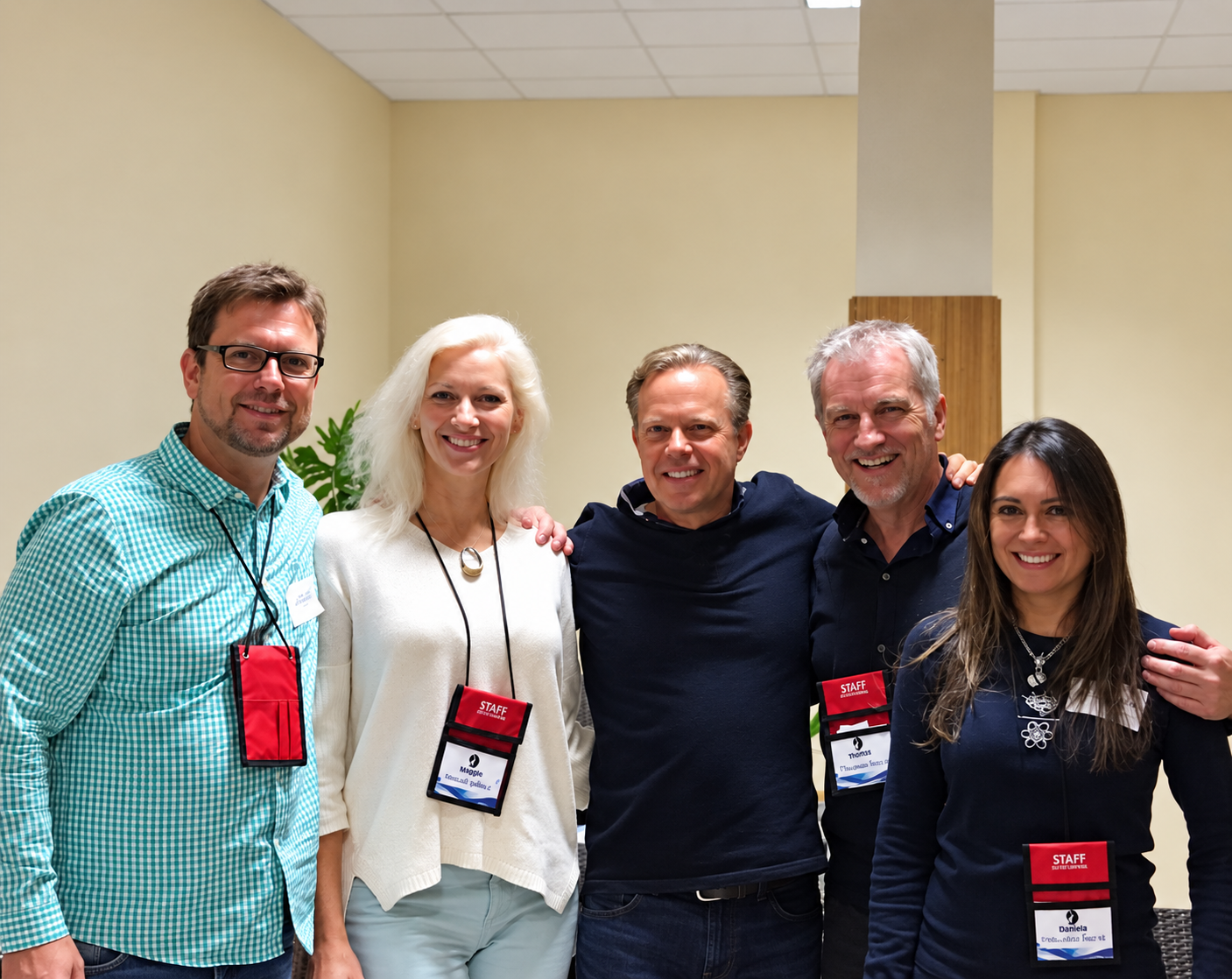
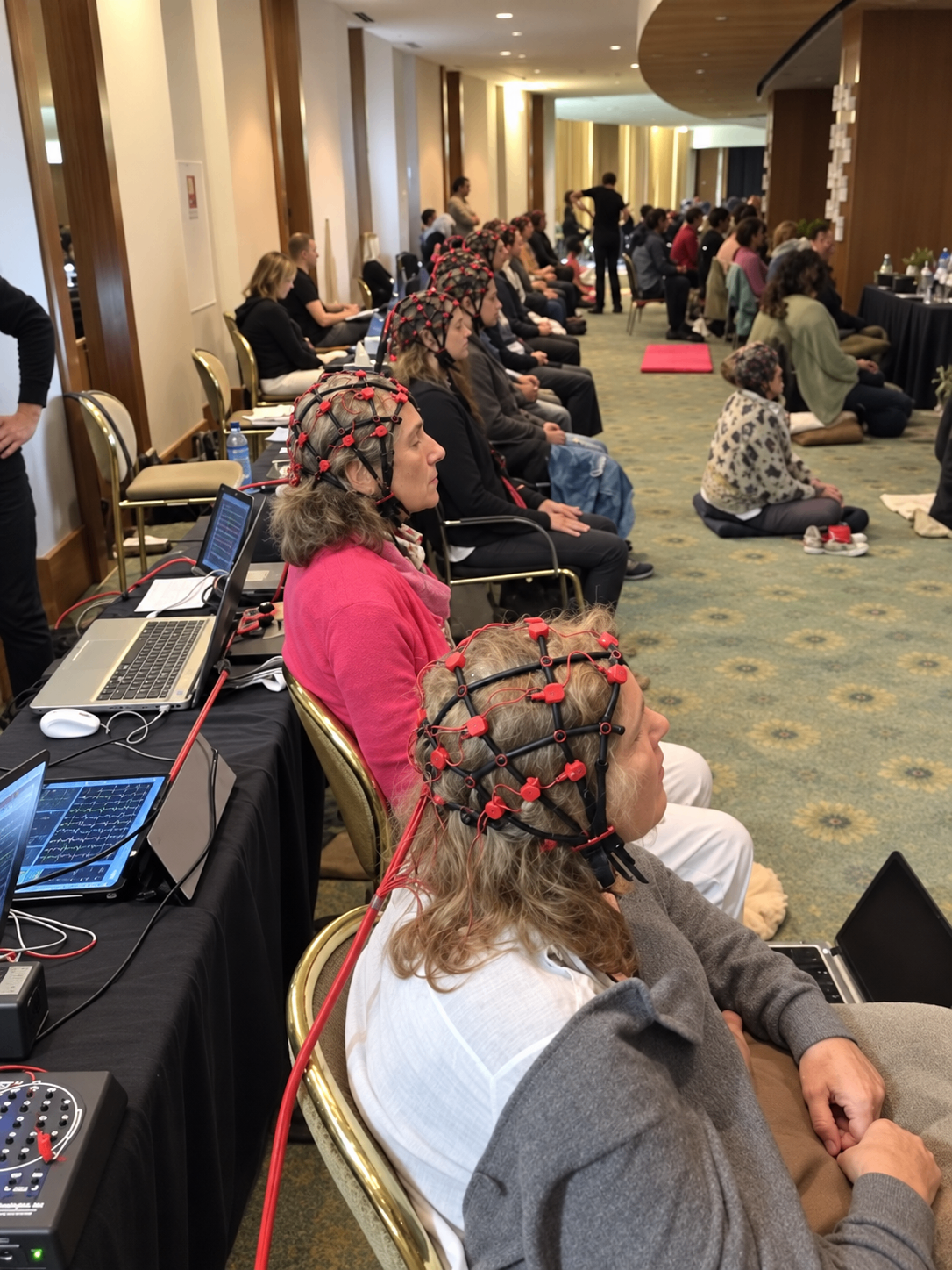
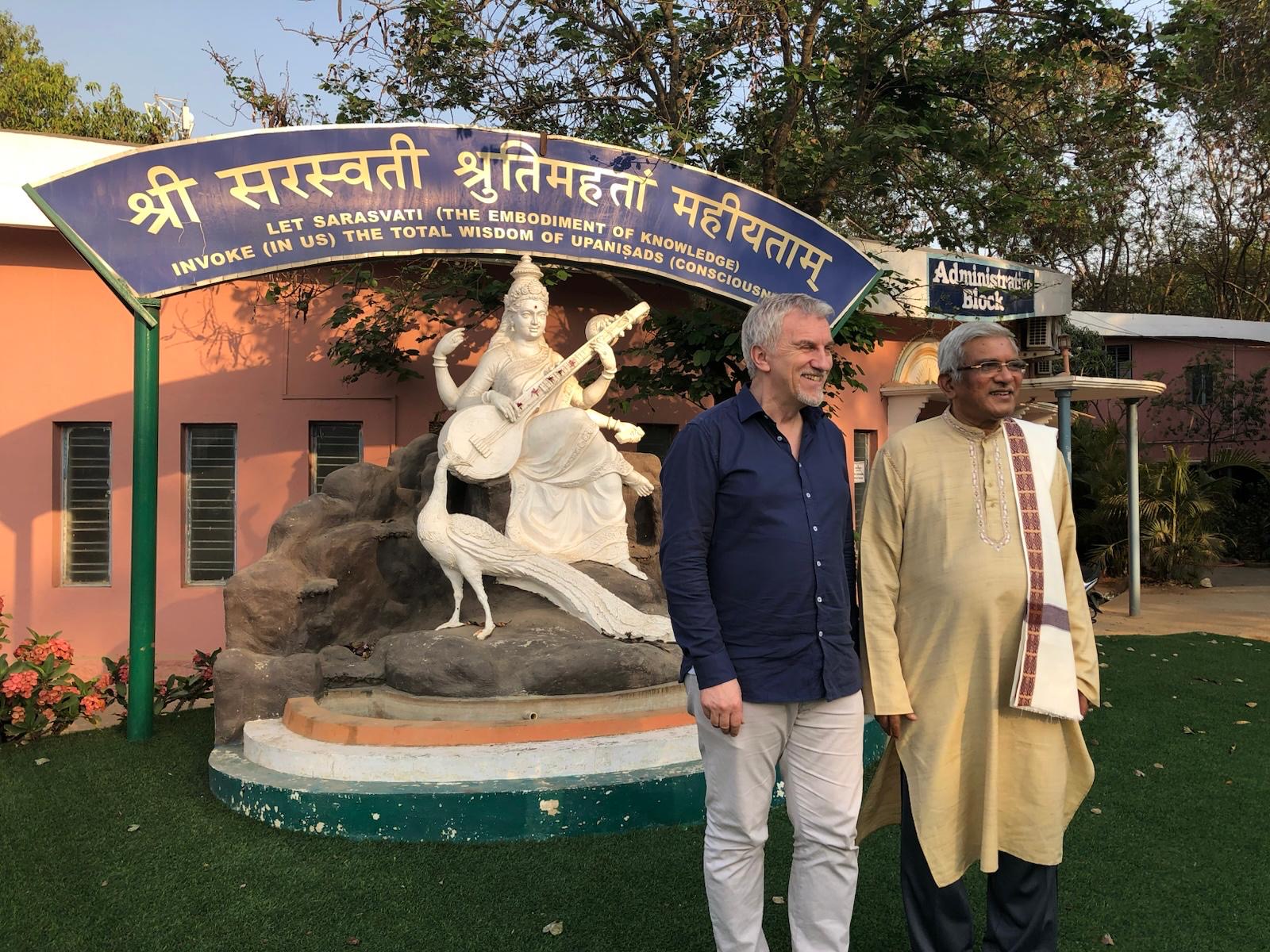
At an international conference I got to know the method more closely and had the privilege of meeting pioneers such as Barry Sterman, Joel Lubar and Joe Kamiya in person. Learning from people who had decisively shaped this field was something special for me. These encounters encouraged me to engage intensively with neurofeedback.
As one of the early neurofeedback therapists in Germany, I was nevertheless uncertain during the first applications. I had experience as an occupational therapist, but here I had to learn a great deal anew, observe closely and review my decisions.
What gave me courage were the changes I saw in my patients. Some developments I had not seen in my previous therapeutic work. In addition there was feedback from doctors and teachers. That changes were also noticed outside the practice meant a lot to me.
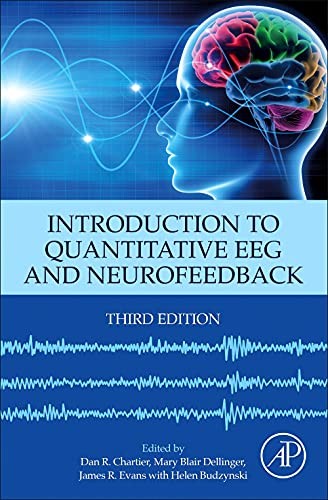
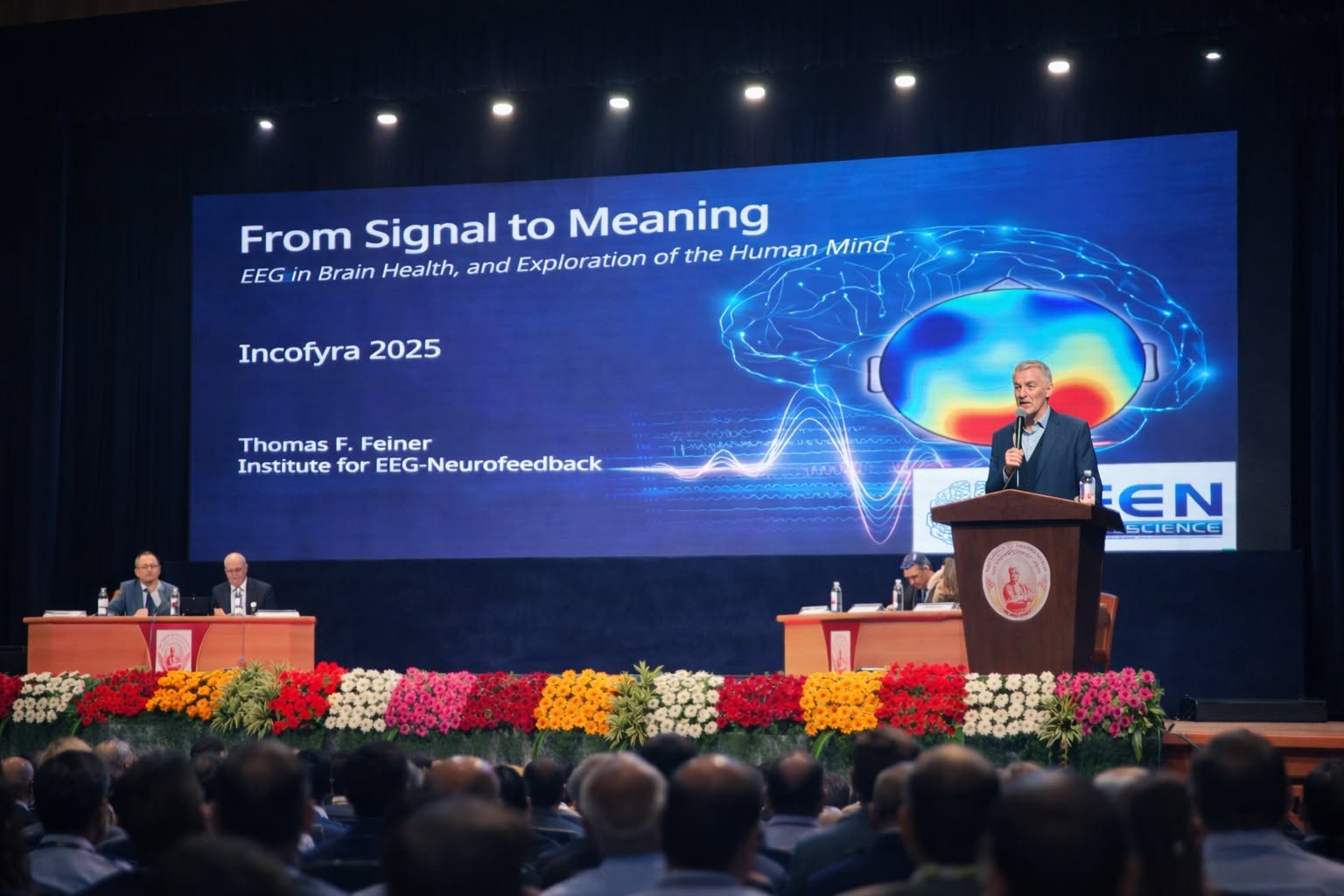
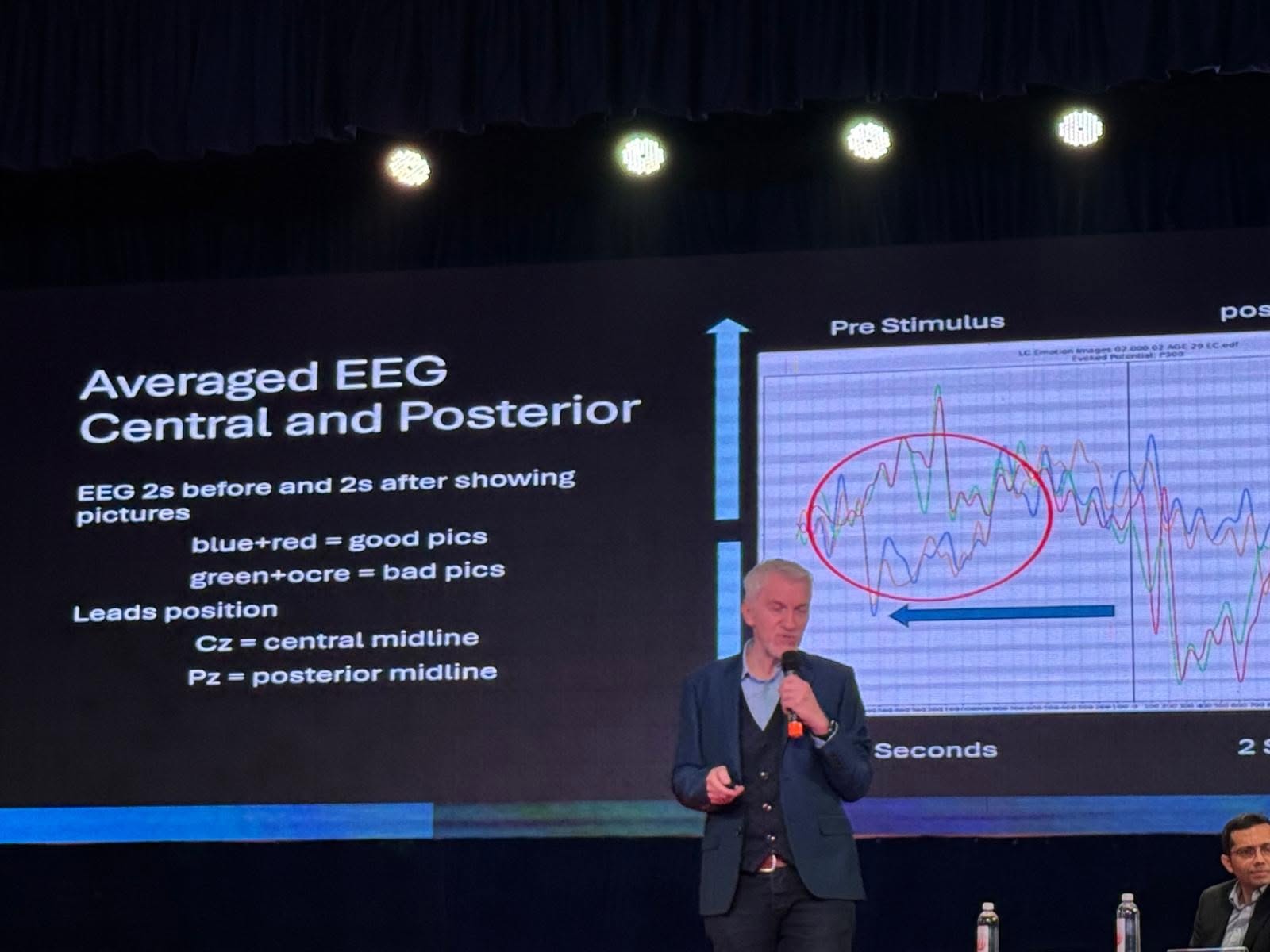
Of course neurofeedback is not the only method, and not everyone responds in the same way. But these experiences motivated me to keep learning. Quantitative EEG, or QEEG, became increasingly important. I wanted to understand brain activity in a more differentiated way, recognise measurement errors and artefacts, and justify my decisions better professionally.
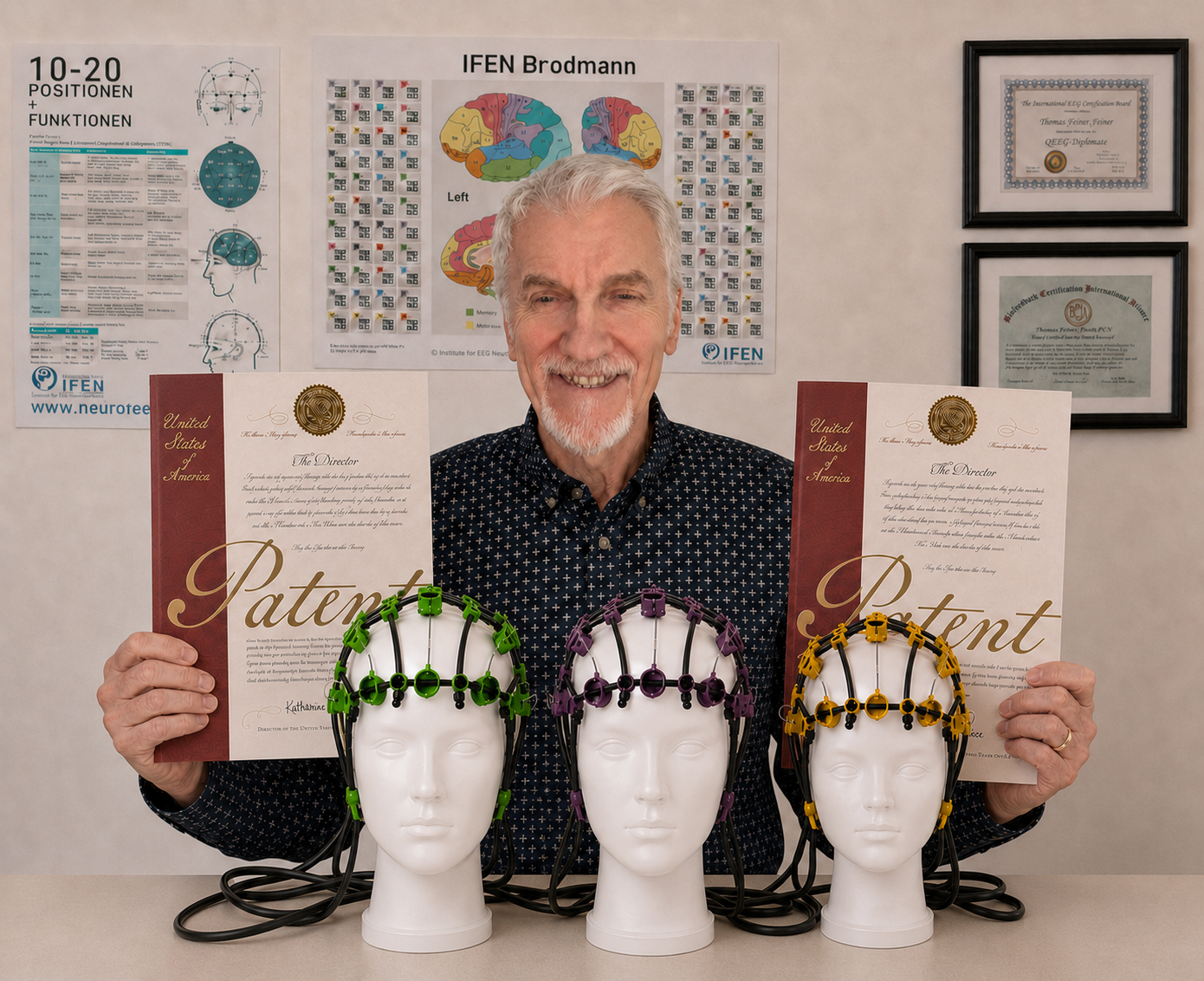
Intensive further training, international exchange and my qualifications as a BCIA-certified neurofeedback therapist and QEEG Diplomate of the International QEEG Certification Board followed.